
A point-of-sale (POS) system is software, and often hardware, that processes payments while connecting everything from inventory tracking to sales reporting in one place. For small business owners, the right system can replace hours of manual work with automated insights. The wrong one can mean unnecessary fees, clunky hardware, or features that simply do not match how your business operates.
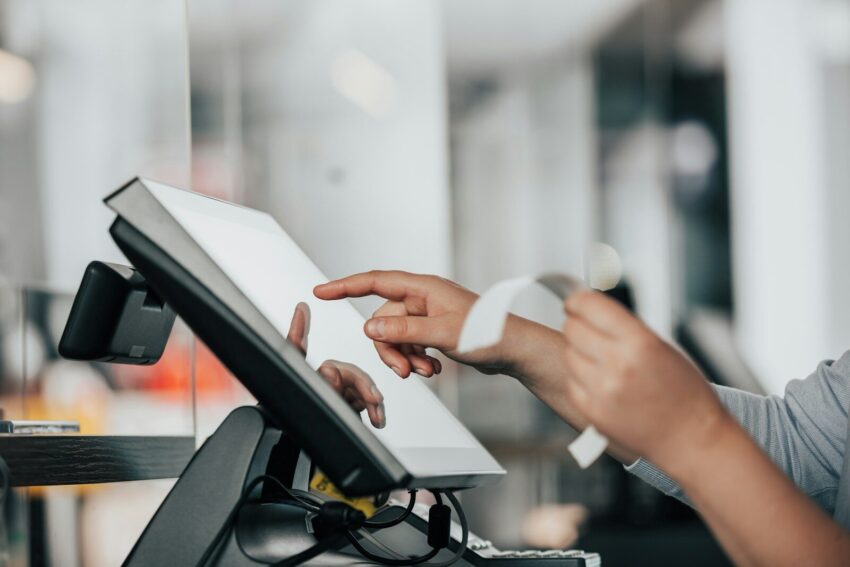
Choosing well requires understanding your own needs before comparing brand names. A boutique clothing store has different demands than a food truck, and a salon needs something entirely different from a multi-location café. Price matters, but so do ease of use, industry fit, and the quality of ongoing support.
What a Modern POS System Actually Does
Beyond processing payments, a modern POS system manages inventory in real time, generates sales reports, tracks employee hours, and runs customer loyalty programs from a single interface. pos support shows just how central these platforms have become to daily business operations. Most systems today are cloud-based, meaning your data is accessible from any device and updates instantly across locations.
Hardware options range from a free card reader that plugs into a smartphone to full countertop stations with customer-facing displays and receipt printers. The right setup depends on your transaction volume, physical space, and industry requirements.
A List of the Top POS Systems for Small Businesses
Several platforms consistently rise to the top across pricing, features, and usability.
Square POS starts at no monthly cost and offers free industry-specific plans for retail, restaurants, and appointments. Setup is simple, and the interface requires no technical background. It is one of the most accessible entry points available, though you must use Square’s own payment processor.
Clover POS offers nine hardware options ranging from compact handhelds to large touchscreen stations. It handles inventory, invoicing, and payroll integrations well, with dedicated plans for retail, restaurants, and service businesses. All hardware must be proprietary Clover equipment.
Shopify POS is the strongest choice for businesses selling both online and in person. It syncs inventory across all channels in real time and lets customers buy online, return in store, or pick up locally without any manual reconciliation.
Lightspeed suits established retailers with complex inventory needs and multi-location operations. It includes 24/7 support on all plans and advanced loyalty tools, making it better suited for businesses that have outgrown simpler systems.
Toast is purpose-built for restaurants, with durable hardware designed for busy kitchen environments, built-in staff scheduling, and an offline mode that keeps orders moving during internet outages.
PayPal POS is the most cost-effective option for part-time sellers or very small operations, with no monthly fees and some of the lowest in-person transaction rates available.
Matching the System to Your Business Type
Industry fit matters more than most owners realize when shopping for a POS system. Restaurant operators benefit from systems like Toast or TouchBistro, which include table management and kitchen display tools that general-purpose platforms lack. Service businesses such as salons and spas need built-in appointment booking tied directly to the payment system. Retailers with large catalogs need deep inventory tools, barcode scanning, and reorder automation.
Before committing to any platform, request a full breakdown of what is included in each pricing tier. Transaction fees, add-on charges, and hardware costs can significantly change the total annual expense beyond what the monthly plan price suggests.
The System That Works Is the One Built for Your Business
No single POS system is best for every small business. The right choice depends on your industry, budget, sales volume, and how your business is likely to grow. Start with a free trial, test the support responsiveness, and confirm that the system integrates with the tools you already use. A well-matched POS system becomes an asset you rely on every single day.